



Blog / GMC Acadia vs Toyota Highlander

GMC Acadia vs Toyota Highlander: Which is Better?

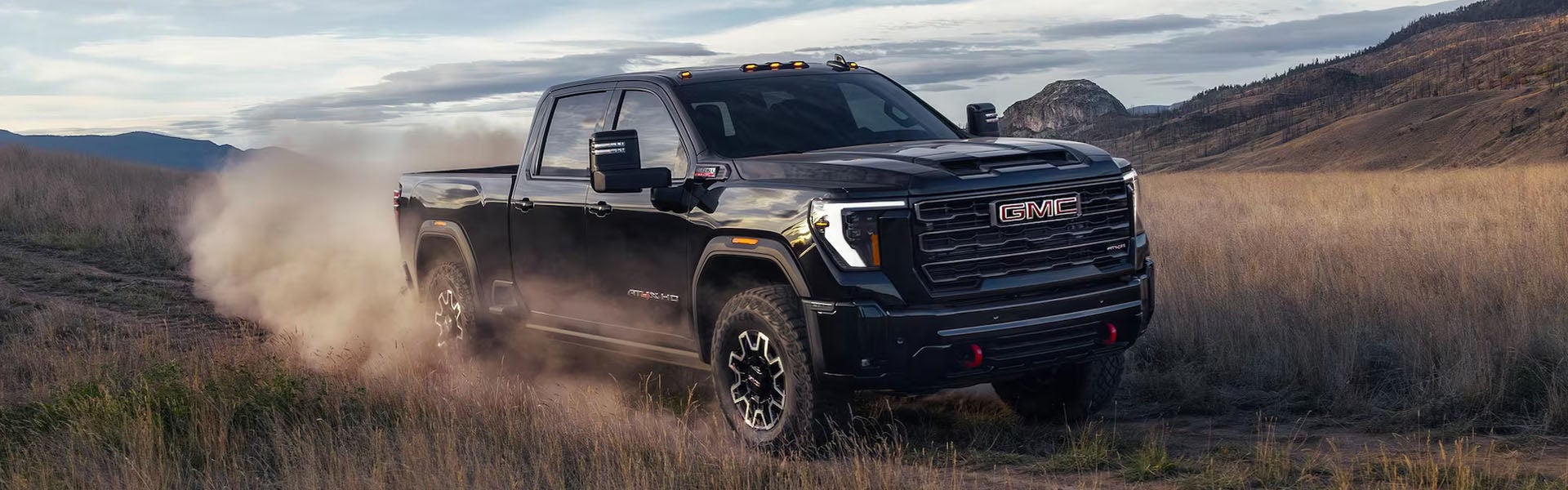
White GMC SUV driving off-road through a wooded trail with dust kicking up behind it.

 
Up in Virginia, MN, an SUV isn’t just a lifestyle accessory. It’s a tool. It starts in the cold, carries everything you forgot you needed, and keeps going when the road turns from pavement to something less official. That’s where the GMC Acadia and Toyota Highlander stop being similar and start showing their differences. 

Technology That Works Without Fuss 

The 2026 GMC Acadia leads with a 15-inch Premium GMC Infotainment System that feels like it belongs in a modern vehicle, not something catching up. Google built-in keeps navigation, voice commands, and apps in one place, and it all responds quickly. 

Wireless Apple CarPlay® and Android Autoâ„¢ come standard, so your phone connects without extra steps. There’s also an available Head-Up Display that puts key information right in your line of sight, which helps when conditions outside aren’t exactly forgiving. 

The Toyota Highlander offers a 12.3-inch touchscreen on higher trims. It covers the essentials and does them well. It just doesn’t feel as integrated or as easy to move through as the Acadia’s system. 

In daily use, Acadia saves you time and effort, which matters more than screen size alone. 

Driving Feel That Matches the Conditions 

The GMC Acadia uses a 2.5L Turbocharged engine producing 328 hp and 326 lbs. ft. of torque. It has enough strength to move confidently, even when fully loaded or merging onto a busy highway. 

The eight-speed automatic transmission keeps things smooth, and the Traction Select System gives your multiple drive modes to handle snow, wet roads, and everything in between. It feels composed, which is exactly what you want when conditions change fast. 

The Toyota Highlander runs a 2.4L Turbo engine with 265 hp and 310 lbs. ft. of torque. It handles driving every day without issues, though it feels less responsive when pushed. It gets the job done, just without the same sense of control or confidence. 

For Minnesota winters, that extra capability in the Acadia makes a difference you notice. 

Space and Versatility That Actually Helps 

GMC Acadia offers seating for up to 8 and up to 97.5 cu. ft. of cargo space with the seats folded. That’s the real space you can use, not just a number on paper. 

The hands-free Autosense power liftgate adds convenience when your hands are full, which is most of the time. Storage throughout the cabin helps keep gear organized instead of piled up. 

The Toyota Highlander offers up to 84.3 cu. ft. of cargo space. It’s practical and works well for most needs, though it doesn’t match Acadia’s flexibility when you start loading it up. 

Safety That Comes Standard 

GMC Acadia includes more than 19 standard driver assistance features. Blind Zone Steering Assist, Adaptive Cruise Control, Enhanced Automatic Emergency Braking, and more are all included from the start. 

The Highlander offers Toyota Safety Senseâ„¢, which covers key features. Some systems depend on trim levels, which can change what you get. 

Acadia keeps things straightforward. More features come standard, which means fewer decisions and fewer compromises. 

See the GMC Acadia at Ken Waschke Auto Plaza Inc 

Stop by Ken Waschke Auto Plaza Inc in Virginia, MN and take the 2026 GMC Acadia out for a drive. Schedule a test drive online to skip the queue now! It won’t take long to figure out which one fits your life better! 
Posted in:

Related Posts

Technician inspecting a vehicle's brake rotor and caliper assembly during a professional brake service.

Why Staying on Top of GMC Maintenance Matters

Whether you drive a rugged Sierra HD or a family-friendly Acadia around Virginia, Minnesota, regular GMC maintenance is one of the best things you can do to protect your investment, as well as your passengers. Skipping routine service might not seem like a big deal at first, but small issues can turn into costly repairs if left unaddressed. The good news is that keeping your GMC in great shape doesn’t have to be complicated. As a matter of fact, it’s far less complicated and time-consuming than letting it go. more Oil Changes: The Foundation of a Healthy Engine One of the most important parts of any GMC maintenance routine is keeping up with oil changes. Fresh oil lubricates your engine's moving parts, reduces heat buildup, and helps prevent long-term wear that puts your vehicle at risk. Most GMC vehicles are equipped with an oil life monitoring system that alerts you when a change is due based on your actual driving conditions—not just a set mileage interval. Whether you drive a Canyon through tough terrain or a Yukon around town, staying current on oil changes keeps your engine running smoothly for the long haul. Brake Service: Don’t Wait Until You Hear the Squeal Your brakes are probably the most critical safety system on your vehicle, and they deserve regular attention as part of your GMC maintenance schedule. Brake pads wear down over time, and if they go too long without inspection, you risk damage to your rotors as well which is far more costly and time-draining than just getting them checked out now and then. If you notice your vehicle pulling to one side, hear and feel grinding, or you’re experiencing a longer stopping distance, it is time to schedule a brake inspection right away. Tires, Fluids, and Other Routine Checks Beyond oil changes and brakes, a complete GMC maintenance routine includes checking tire pressure and tread depth. Your tires can take a beating in Minnesota with our weather changes and extremes, and even more so if you go off-roading. Doing a penny test for tread depth is a good idea as a start. Inspecting coolant and transmission fluid levels, replacing cabin and engine air filters, and keeping an eye on your wiper blades are all part of regular maintenance too. These may seem like minor details, but each one plays a role in how your GMC performs day to day. Using Genuine GMC Parts for Peace of Mind When it is time for parts replacement during your GMC maintenance visits, using GM Genuine Parts or ACDelco-branded components helps ensure your vehicle performs the way it was designed to. These original equipment manufacturer parts are engineered specifically for GMC vehicles, which means a better fit and more reliable performance compared to generic alternatives. From brake pads and rotors to filters and wiper blades, the right parts make a real difference. Visit Ken Waschke Auto Plaza for Your Next Service Keeping your GMC in peak condition starts with a trusted service team. At Ken Waschke Auto Plaza in Virginia, MN, experienced technicians are ready to help with everything from routine oil changes and brake inspections to full-service maintenance visits. Staying consistent with GMC maintenance is the simplest way to extend the life of your vehicle and keep it performing at its best, no matter where the road takes you. Stop by or visit kensautoplaza.com to schedule your next service appointment.

Service technician inspecting a vehicle engine and documenting findings during a professional maintenance inspection.

What the GMC Reduced Engine Power Warning Really Means

If you've ever been driving your GMC truck or SUV and suddenly noticed a warning message on your instrument cluster, you know how unsettling it can be. The GMC Reduced Engine Power warning is one of those alerts that tends to cause immediate concern, and for good reason. Understanding what it means, why it happens, and what to do next can help you respond calmly and make informed decisions about your next steps. more What Is the GMC Reduced Engine Power Warning? The GMC Reduced Engine Power warning is a message triggered by your vehicle's engine control module when it detects a problem that could potentially damage the engine or drivetrain. When this alert appears, your truck or SUV intentionally limits its performance to protect critical components. You may notice sluggish acceleration, reduced throttle response, or difficulty maintaining speed. Power Warning is your vehicle's way of saying something needs attention before conditions worsen. Common Causes of This Warning There are several reasons why the GMC Reduced Engine Power warning might light up. Some of the most frequently seen causes include a faulty throttle body, a malfunctioning accelerator pedal position sensor, a failing electronic throttle control system, or issues with the mass airflow sensor. Wiring problems, corroded connectors, or a weak battery can also trigger this alert. In some cases, a dirty or failing catalytic converter may be to blame. Because there are so many potential causes, it's important to have the vehicle diagnosed with a professional scan tool rather than guessing. What You Should Do When It Happens If the GMC Reduced Engine Power warning appears while you're driving, the safest approach is to reduce your speed and find a safe place to pull over. Avoid hard acceleration or attempt to push through the reduced performance mode. Once stopped, you can turn the vehicle off, wait a few moments, and restart it. In some instances, the warning may clear temporarily, but that doesn't mean the underlying issue is resolved. A Power Warning that keeps returning needs a proper diagnosis. Continuing to drive without addressing the root cause can lead to more expensive repairs or a complete breakdown. Why Professional Diagnosis is Important The Reduced Engine Power warning can stem from a wide range of issues, and the only reliable way to identify the exact cause is through professional diagnostic equipment. A trained technician will connect to your vehicle's onboard diagnostic system to read any stored fault codes and pinpoint the problem. This is especially true for GMC's professional grade vehicles, which are built with sophisticated engine management systems designed to protect performance and longevity. Skipping a proper diagnosis and attempting a fix without confirmed cause can result in wasted time and money. Visit Ken Waschke Auto Plaza for GMC Service If the GMC Reduced Engine Power warning lights up on your dashboard, Ken Waschke Auto Plaza is here to help with expert service and diagnostics for GMC trucks and SUVs. So, if you drive a Sierra, Canyon, Yukon, or another model from the GMC lineup, the team is ready to help get you back on the road with confidence. Don't let Power Warning go unaddressed. Stop by or schedule a service appointment today at kensautoplaza.com.

Technician holding engine oil beside an open vehicle hood during a routine maintenance service.

Why GMC Oil Change Service Matters for Your Vehicle's Long-Term Health

The Role of Fresh Oil in a GMC Engine To keep your vehicle running correctly, it is important to understand the need for regular maintenance, and you should contact Ken Waschke Auto Plaza Inc in Virginia, MN, for more information on scheduling an appointment. Every GMC vehicle, including the Sierra 1500 and the Yukon, depends on clean engine oil to function properly. Since oil lubricates the moving parts inside your engine, it reduces heat buildup and helps prevent wear. Over time, engine oil breaks down, and it collects dirt and metal particles. When oil loses its effectiveness, engine components work harder, and this stress can shorten the life of your engine. more Understanding Oil Change Intervals for GMC Vehicles Modern GMC vehicles feature the GM Oil Life System©, which monitors your driving conditions and calculates when an oil change is needed. A general rule for many GMC trucks and SUVs using full synthetic oil is between 5,000 and 7,500 miles. If you frequently tow heavy loads or drive in stop-and-go traffic, you may need service sooner. You should refer to your owner's manual, and you must follow the GM Oil Life System© alerts. How Driving Conditions Affect Your GMC Oil Change Service Schedule Towing with a Sierra HD, off-roading in a Canyon AT4, or driving a Savana Cargo van all put added stress on your engine. Because cold weather in northern Minnesota is hard on engine oil, the oil thickens and takes longer to circulate at startup when temperatures drop. Since frequent short trips prevent the engine from warming up fully, moisture builds in the oil, which shortens its useful life. What to Expect During a GMC Oil Change Service Appointment A GMC oil change service involves draining the old oil, replacing the oil filter, and refilling the engine with the correct oil. While the technician changes the oil, they will also reset the GM Oil Life System© monitor. Service appointments often include a visual inspection of fluid levels, belts, and filters. Using the right oil type and viscosity for your GMC model is necessary, so it is helpful to work with a knowledgeable team. Consequences of Skipping or Delaying Oil Changes Putting off a GMC oil change service can cause issues over time, because old oil loses its lubricating properties and leaves deposits on engine components. Sludge buildup can clog oil passages, which lowers oil pressure and leads to engine damage. Delaying an oil change can also reduce fuel efficiency, and it may increase engine noise. Stay on Schedule with Your GMC Oil Change Service GMC oil change service on a regular schedule is the best way to keep your truck or SUV running well. For drivers in Virginia, MN, staying on top of oil change intervals is important due to cold weather and varied terrain. Visit Ken Waschke Auto Plaza Inc to learn more about service options, and you can get your GMC for the maintenance it needs.